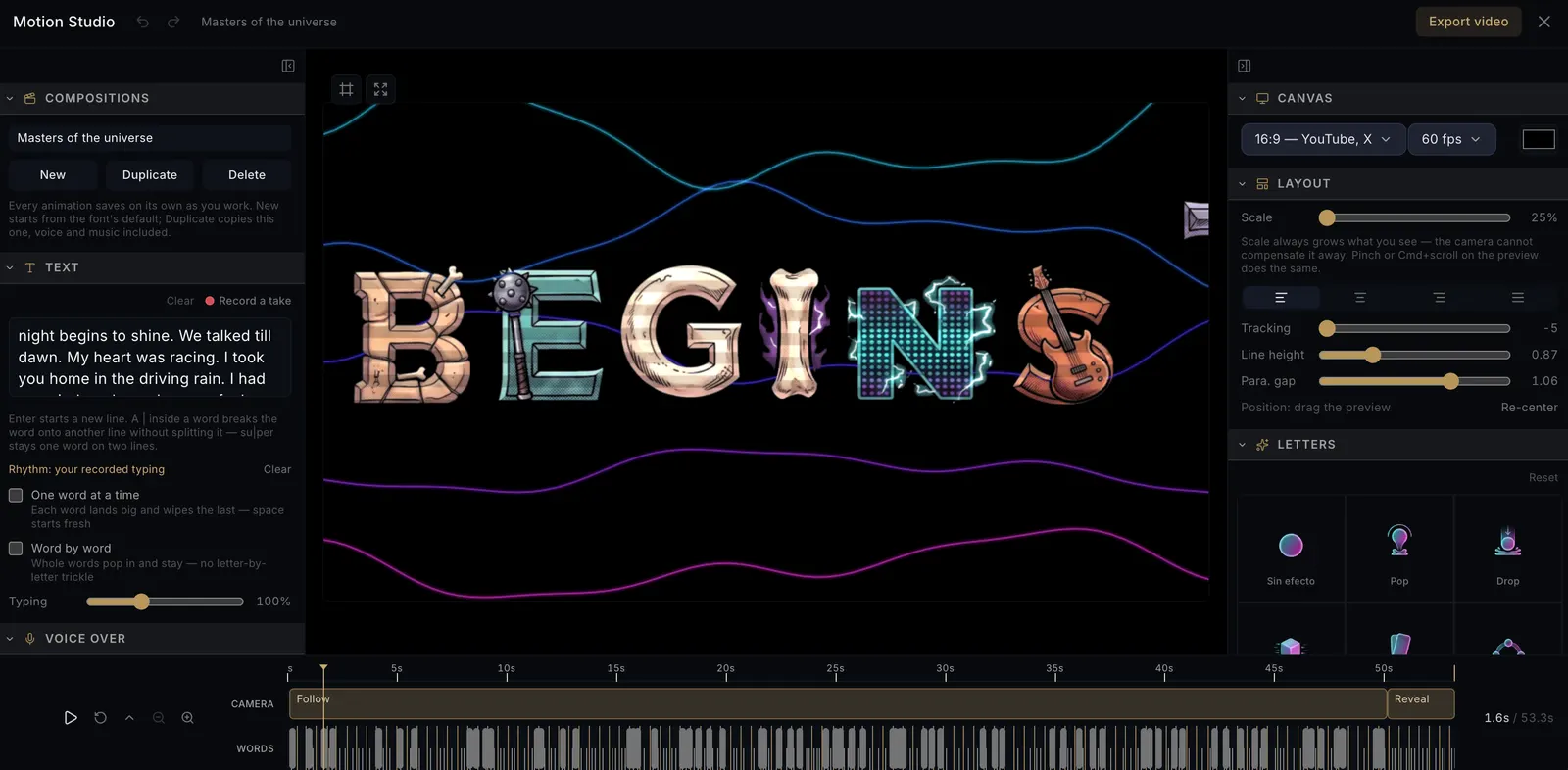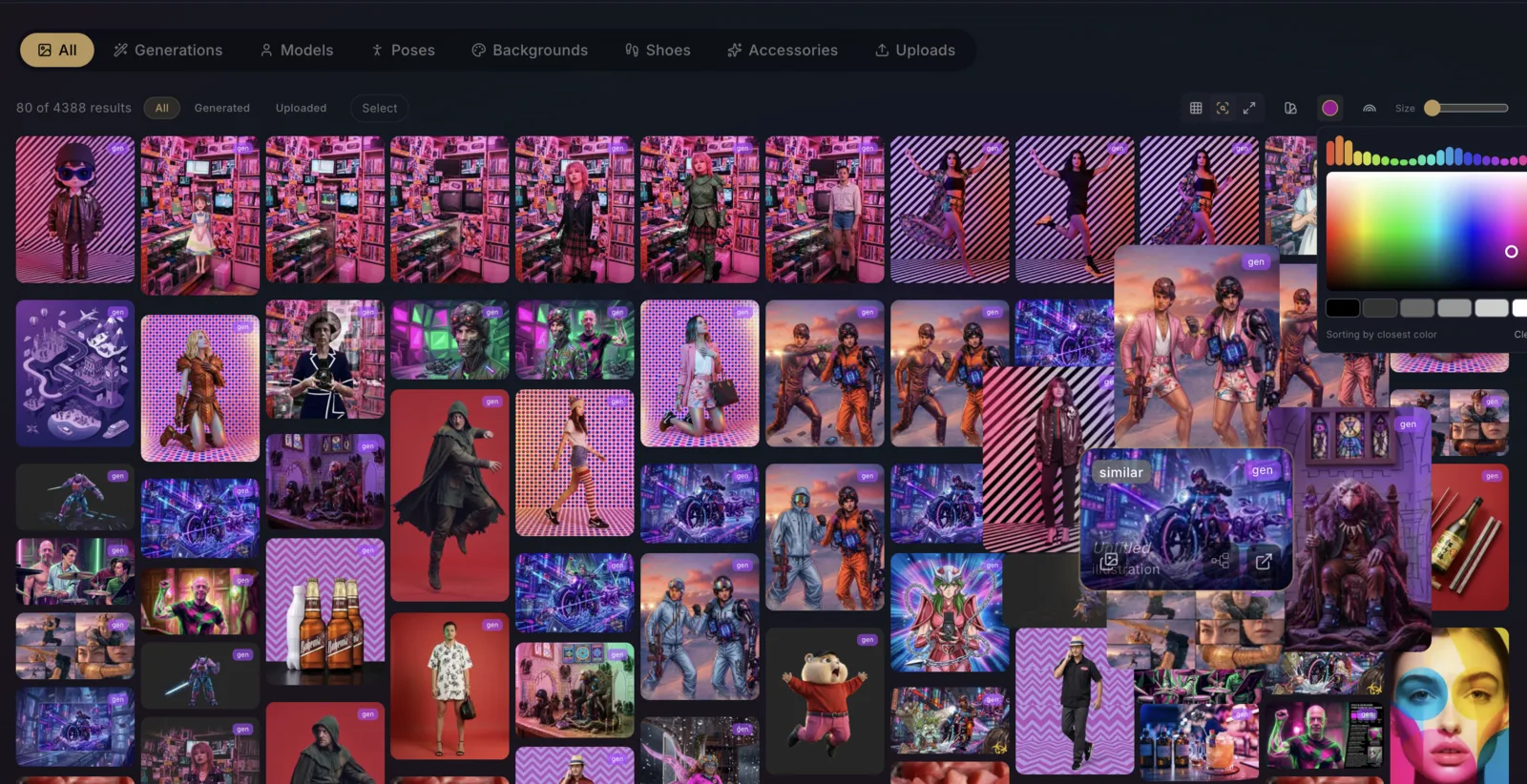
Gemini Omni Flash is Google's newest video model and, from today, one of the models you can pick when you turn a picture into a clip in Nano Studio Pro. A still becomes a few seconds of motion with sound, the clip can land on a second picture you choose, and it brings something new to the list: hand it a finished clip, describe the change, and it renders the clip again with that change and everything else kept.
This post is what the model is, how it moves on from Veo 3.1, what happened when we edited a clip with it, and how to try it in the studio today.
What Gemini Omni Flash is
It is Google's video model, gemini-omni-1.1-flash, public since the end of June 2026 and the one Google now recommends for new video work. It takes text, images and video of up to ten seconds as input, and produces a clip with audio between three and ten seconds long, at 24 frames a second. It renders natively at 720p, and offers 1080p and 4K as upscales of that render.
It is also conversational. Every result stays available to the next request, so an edit is a follow-up rather than a fresh start: “same clip, but she is wearing the red one” is a complete instruction.
How it moves on from Veo 3.1
Veo 3.1 has been Google's flagship video model this year, and it set the bar this one clears. Three things changed.
- The length is yours: Veo 3.1 renders 4, 6 or 8 seconds; Omni Flash renders anywhere from three to ten, and honours a length written into the prompt — “an eight second shot” gave us eight seconds.
- Editing arrived: a finished clip can be carried into the next request and changed in words. Veo 3.1 makes a clip; Omni Flash makes it and then keeps working on it with you.
- It costs a fraction: at 720p Google lists Omni Flash at about a quarter of Veo 3.1 Standard's price per second, which is why a clip here starts at 140 credits a second.
What you can do with it in the studio
Open any image in a project, choose Generate video, and Gemini Omni Flash is in the list of models with everything it can do laid out in front of you. Four things are worth knowing.
- From a still: describe the motion and it animates your picture. The length is the model's call, between three and ten seconds, and it follows a length you put in the prompt.
- Landing on an end frame: pick a second image and the clip travels from the first to the second. We checked frame by frame, twice: it lands on the second picture.
- Reference stills: up to three more pictures ride along to keep a face, a product or a setting consistent through the shot.
- Editing a clip you already made: pick a finished clip as the reference, write the change, and the model renders it again with the change applied and everything else preserved. This is the one to try first.
Editing a clip: what happened when we tried it
We started with an eight-second Omni clip of two people at a café table, generated from two stills — the first frame and the last. Here it is.
Then we asked for three changes in one instruction: a straw hat on her, a Hawaiian shirt on him, and two piña coladas on the table. About four minutes later the edit came back.
The faces, the acting, the camera move and the set came through untouched. The hat and the shirt are exactly where we asked. The espresso cups were replaced by the drinks rather than joined by them, which is the natural reading of “two piña coladas on the table”, and a good sign of how carefully it follows an instruction. An edit is a full new render and is priced like one, and a clip made here with Omni Flash can be edited again as many times as you like.
Sizes, sound and length
- Length: three to ten seconds, chosen by the model and steered by your prompt.
- Size: 720p is the native render, and 1080p and 4K are upscales of it. For a native 4K render, Kling 3.0 sits in the same list.
- Sound: built in. Describe the sound you want in the prompt and it arrives with the picture.
What it costs and how long it takes
Video here is priced per second, and the button shows the exact number of credits before you press it, moving as you change the length or the size. Gemini Omni Flash starts at 140 credits a second at 720p. A render takes three to six minutes; our edits took about four. You can leave the page: the clip lands in the project and in your activity when it is done, and nothing is charged until it has.
The right model for each job
- Fixed lengths at the lowest price: Veo 3.1 Lite, Google's light tier, does 4, 6 or 8 seconds at 1080p with sound, lands on an end frame, and is the most affordable clip with sound in the list.
- Native 4K, or up to fifteen seconds: Kling 3.0, which also lands on an end frame and renders in about two minutes.
- Keeping the acting from a clip in a new scene: Kling 3.0 Omni takes a reference clip and stills and generates a fresh clip from them. Editing keeps the footage; referencing keeps the performance. Both are in the same list, one card each.